Haleakalā Sunrise: The Dollar Permit, the Three A.M. Alarm, and Winter Layers in Hawaii
Sunrise from the summit runs on a one-dollar permit, a three a.m. alarm, and below-freezing temperatures at ten thousand feet — in Hawaii. No permit? Sunset needs none, and the light is just as good going the other way.
The short version
- Sunrise vehicle permits (3–7am entry) sell for $1 at recreation.gov — released 60 days ahead at 7am Hawaii time with a small 48-hour batch, one per person, ID matched at the gate per the alarm; the $30 park entry per vehicle (good for three days) rides on top.
- The summit stands at 10,023 feet — pre-dawn temperatures run at and below freezing with windchill, and the alarm’s winter-layers rule is the difference between transcendence and shivering misery in a t-shirt.
- The drive climbs from sea level to the summit in about 1.5–2 hours of switchbacks from the island’s bases — fuel up the night before, and budget the descent’s brake discipline in low gear on the way down.
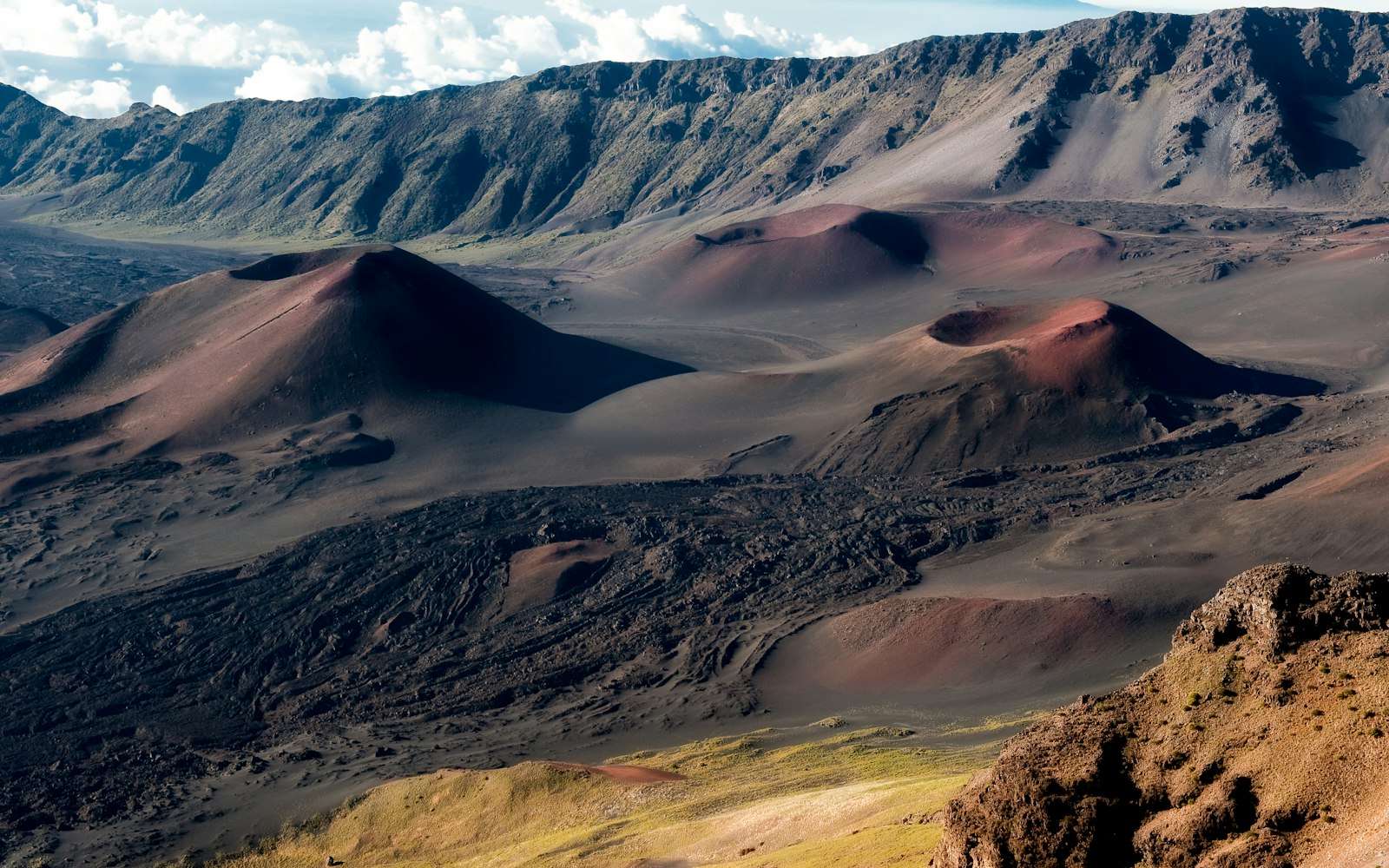
- Sunrise itself plays above a cloud sea filling the crater’s 7-mile basin — the Haleakalā (‘house of the sun’) name is the event’s own review, and the summit overlooks and visitor center rails fill by the permit window’s arithmetic.
- The silverswords — ʻāhinahina, spiked silver rosettes that grow here and nowhere else on earth, blooming once and dying — line the summit trails behind their protective rules: stay on path, touch nothing, their shallow roots die underfoot.
- Sunset and daytime visits need no permit at all — the alarm’s other direction — and the crater’s Sliding Sands trail repays even a half-mile taste descent with moonscape colors the overlooks only hint at; park details at nps.gov/hale.

Getting there
The permit sets the night’s architecture: the 60-day release at 7am HST is the booking event (set your own alarm for it two months out), the 48-hour batch is the backup lottery, and the gate checks ID against the booking name without humor at 4am. From Kihei or Kahului the drive runs about ninety minutes; Lahaina and Kapalua bases add more — all of it dark, switchbacked, and occasionally cow-adjacent in the upcountry stretches. Fuel the night before (nothing sells on the mountain), load the winter layers and hot coffee, and leave margin: the summit lots fill toward the permit window’s end, and sunrise doesn’t hold for late arrivals.
The visit
Arrive in the dark, claim a rail spot at the summit or visitor center overlooks, and let the show assemble: stars at desert clarity, the horizon banding, and the sun breaking over a cloud sea that fills the crater like surf — the crowd’s collective gasp is part of the event, and the Hawaiian chant that rangers sometimes offer at first light frames it properly. Stay past the main event: the crater’s colors switch on in the following half hour as the tour groups drain away, and the silverswords along the summit paths photograph best in that low gold light — from the trail, roots respected, per their standing rules. The descent stops write themselves: the Kalahaku and Leleiwi overlooks, a Sliding Sands taste-descent for the moonscape (every step down is a steeper step back up at altitude), and the upcountry’s payoff — Kula’s farm-stand breakfast or Makawao’s paniolo-town coffee — as the reward for the 3am start. The afternoon goes to a nap; the trip already paid for it.
When to go
The permit system and the summit run year-round — the weather, not the season, is the variable: stable trade-wind days run clearest, and the summit generates its own cloud on unsettled ones (the park’s webcams the night before are the real forecast). Winter brings the coldest pre-dawns and occasional summit ice; summer eases the temperatures without canceling the layers rule. Sunset visits — the alarm’s no-permit alternative — peak in the same stable-weather logic with the crater colors reversed, and stargazing after dusk from the lower overlooks adds the bonus act the altitude was built for. Full-moon nights sell the whole mountain’s drama at a discount nobody prices.
Frequently Asked Questions
What if I miss the permit?
The 48-hour batch at 7am HST two days ahead is the honest second chance; commercial sunrise tours carry their own allocations at tour prices; and the alarm’s standing alternative — sunset, no permit needed — delivers the same summit and cloud theater in reverse. Missing the permit changes the schedule, not the mountain.
How cold is it really?
At-or-below freezing with windchill before dawn is normal year-round — this is 10,000 feet of exposed volcanic summit, and Hawaii’s latitude doesn’t repeal altitude. Winter coat, hat, gloves, and layers under; the suffering shorts-wearers at every sunrise are the cautionary exhibit the alarm cited.
Is the sunrise actually worth the 3am start?
It’s among the most repeated superlatives in Hawaii travel and holds up — the cloud sea, the crater, and the light deliver. Fair caveats: cloud lottery exists, crowds share the rails, and the sunset version trades the sea-of-clouds odds for a sane schedule. Once, yes; the alarm’s price is real and fairly charged.
Can I hike into the crater?
Sliding Sands descends from the summit into the basin’s cinder cones — any distance works as an out-and-back with the altitude taxing the return double. Full crossings are serious backcountry with logistics beyond a sunrise visit. The half-mile taste is the day-tripper’s right-sized version and worth every step.
What’s the Kipahulu district — same trip?
No — Kipahulu’s pools and Pipiwai trail sit on the coast past Hana, a separate district of the same park reached by the Road to Hana (documented on this network) with no connecting road over the summit. Two entrances, two trips; the three-day entry pass covers both if your week does.