Maui Day Tours
I’m Serious Day Tour Man AI, your day trip expert. Ask me anything — where to go, how to get there, and what’s actually worth your day.
Maui’s two headline days both run on reservation systems, and both punish improvisation: the sunrise above the clouds at 10,023 feet requires a $1 vehicle permit that sells out in minutes, and the most famous black-sand stop on the Road to Hana now meters non-resident entry by timed slot. The mechanics below are current.
One note carried with respect: West Maui is rebuilding after the 2023 Lahaina fire. Visitors are welcome on the island — tourism is how most of it makes a living — and the way to visit well is to book local, tread lightly around Lahaina town itself, and follow residents’ lead.
Here’s what’s worth a day, with real times and honest trade-offs.

Popular Day Trips
Haleakalā Sunrise — The Reservation That Sells Out in Minutes
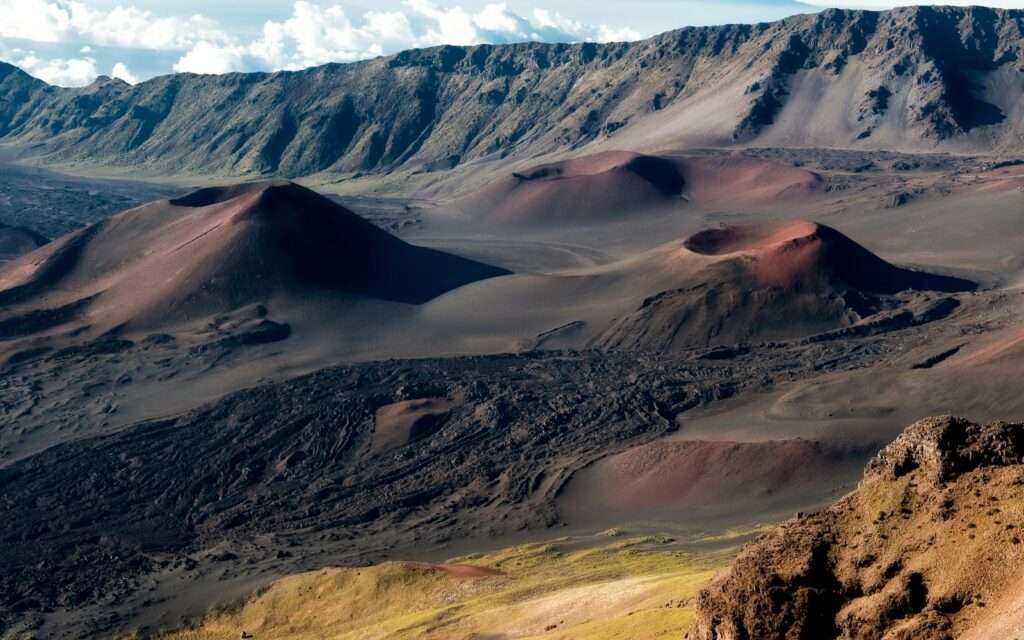
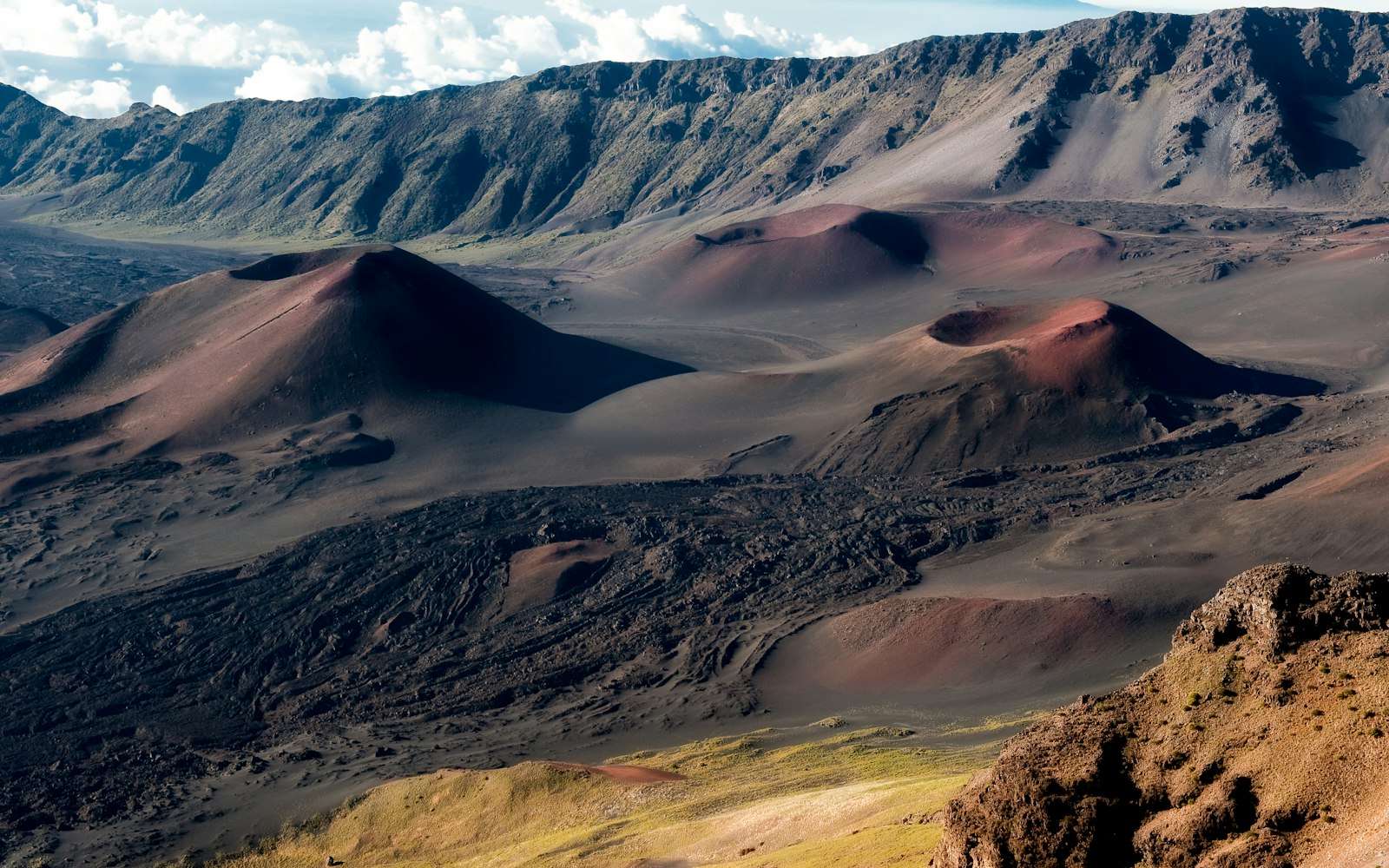
The sunrise from the summit — above a sea of clouds, at the rim of a vast erosion crater — is the island’s singular event, and the system is strict: every private vehicle entering the summit district between 3 and 7 a.m. needs a sunrise reservation. They cost $1 per vehicle on the federal booking site, release exactly 60 days ahead at 7 a.m. Hawaii time, and a smaller batch drops 48 hours before each date — both sell out fast in season. One reservation per person every three days, photo ID must match the booking, the $30 park entrance fee is separate (annual passes cover entry but never the $1), and there are no weather refunds.
The practicalities: budget two hours’ drive from Kīhei, more from Kāʻanapali, and be parked thirty minutes before the listed sunrise. The summit runs 30 to 40 degrees with wind — the down jacket you packed “just in case” is for exactly this morning. Download offline maps; the phone dies above 7,000 feet.
The alternatives: sunset needs no reservation and runs a third the crowd at the same altitude, entry after 7 a.m. needs no permit at all, and the commercial sunrise tours hold separate allocations when the public pool is gone. The crater’s daytime hikes — Sliding Sands into the cinder desert — are the underrated half of the park.
Read the full Haleakalā Sunrise day-trip page.
The Road to Hana — Driven Honestly
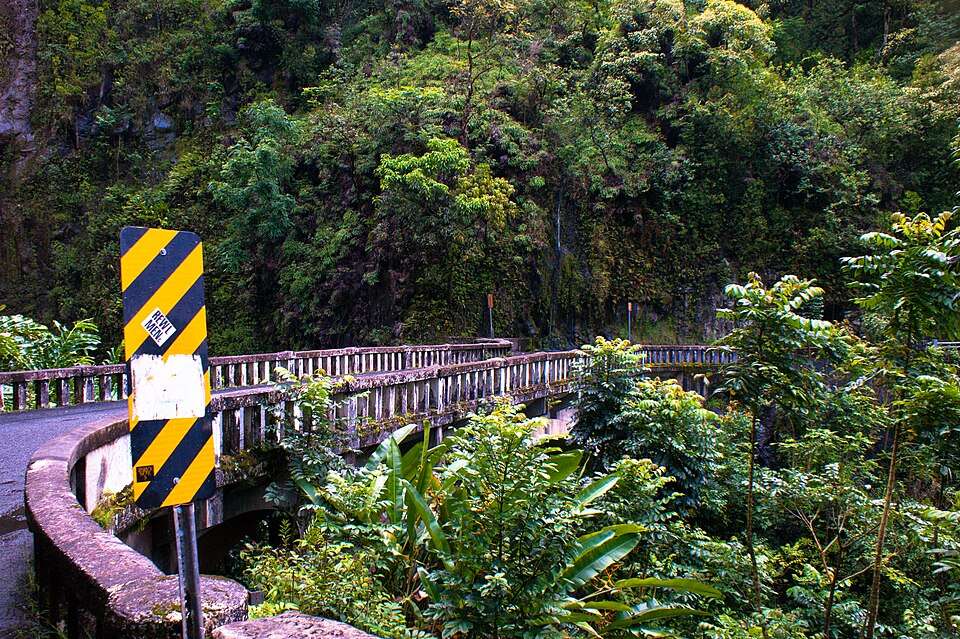
The famous road runs 64 miles, 600-plus curves, and 59 bridges along the rainforest coast, and the honest math is a ten-to-twelve-hour day if you drive it right — which means picking stops, not attempting all of them.
The reservation item first: Waiʻānapanapa State Park — the black-sand beach, sea arch, and lava caves near Hāna — requires advance timed-entry reservations for non-residents, booked on the state parks portal before you go; summer slots go early, and the gate enforces it. Build the rest of the day around your slot.
The stops worth the brakes: Twin Falls early (before the crowds), the Keʻanae Peninsula’s taro fields and pounding surf, Wailua Valley’s overlook, halfway banana bread at the roadside stands (cash, and yes), and Hāna town itself taken slowly — it’s a community, not a photo checkpoint. Past Hāna, the Kīpahulu district of Haleakalā National Park holds the Pools of ʻOheʻo and the Pīpīwai Trail’s bamboo forest to Waimoku Falls — the road’s actual best hike.
Four rules make the day: start by 7, never stop on one-lane bridges, pull over to let locals pass (they’re commuting), and check your rental agreement before continuing around the back road. The guided-tour version trades freedom for someone else doing 600 curves, and for motion-sensitive travelers that trade is honest.
Read the full The Road to Hana day-trip page.
Molokini & the Snorkel Mornings — The Ocean Day
Molokini, the crescent of a drowned volcanic crater three miles off the south shore, is the snorkel headliner: 150-foot visibility on good days, reef fish at aquarium density, and no sand to kick up. The honest mechanics: the crater sits exposed, so the boats go early — the 6:30–7 a.m. departures get the calm water and the fish before the fleet arrives, and the cheaper afternoon trips routinely divert to backup reefs when the wind builds. Book the early boat; it’s the whole game.
Most trips pair the crater with Turtle Town along the Mākena coast, where green sea turtles graze the coral heads. The rules are federal and simple: ten feet minimum from turtles, no touching, no chasing — the encounter happens on the animal’s terms or not at all.
The sunscreen law is real: Hawaii bans oxybenzone and octinoxate, and Maui County goes further — only non-nanotized mineral sunscreen (zinc or titanium) is legal to sell. Bring the right tube or buy it there, and wear a rash guard instead where you can; the reef is the product everyone came for.
Shore snorkeling covers the budget version honestly: Ulua and Mokapu in Wailea, Black Rock at Kāʻanapali, and Honolua Bay in calm summer conditions all deliver from the sand for free.
ʻĪao Valley, Upcountry & the Green Interior
ʻĪao Valley State Monument, twenty minutes from Kahului, is the compact green cathedral: the 1,200-foot ʻĪao Needle rising out of rainforest walls, a short paved trail, and a battlefield history — Kamehameha’s 1790 victory here was among the bloodiest in Hawaiian history, which the serene valley conceals. Note the system: non-residents now need advance parking-and-entry reservations on the state parks portal here too. It’s an hour’s visit; pair it accordingly.
The pairing is Upcountry, the cool mid-mountain flank of Haleakalā that most beach itineraries never see. Makawao is the paniolo (Hawaiian cowboy) town turned gallery row — the cream puffs at the old bakery are the tradition. The Aliʻi Kula Lavender farm and the Surfing Goat Dairy cover the pastoral hour, MauiWine at ʻUlupalakua pours tastings at the old ranch (the pineapple wine is the novelty; the grapes are the surprise), and the Kula lookouts read the whole island’s waist from 3,000 feet.
The frame: this is the gentle day — no reservations races, no dawn alarms — and the right pairing with a Haleakalā sunset, since you’re already halfway up the mountain.
Whales, Lānaʻi & the Channel
In season, the ocean day changes species. From roughly December through April — peaking January to March — thousands of humpback whales winter in the shallow channel between Maui, Lānaʻi, and Molokaʻi, and Maui is the best whale-watching in the United States, full stop. The mechanics: morning boats get calmer seas, the sanctuary rules hold all vessels 100 yards off (the whales themselves ignore the rule, and a curious breach beside the boat is the season’s jackpot), and in peak months you’ll see spouts from the beach without paying anyone.
Lānaʻi supplies the other channel day: the passenger ferry crosses from Maui in under an hour, landing at Mānele Harbor a short walk from Hulopoʻe Bay — a marine reserve beach with reliable snorkeling and resident spinner dolphins offshore. The island beyond the bay needs a booked 4WD or tour (Garden of the Gods’ red-rock moonscape, Shipwreck Beach’s rusting hull), and the ferry-plus-beach version is a complete, cheap day on its own. Check current ferry schedules and departure harbor when booking.
One honest boundary: Molokaʻi is not a casual day trip — it’s a community that asks for slower, more intentional visiting — and the channel crossings get rough in afternoon wind; morning boats both directions.
The Beaches Sorted, the Respect Rules & Maui Itself
The beach sort: Kāʻanapali for the classic resort strand and the Black Rock cliff-jump theater at sunset; Wailea for the manicured crescents; Big Beach (Mākena) for the vast, wild, deceptively powerful shorebreak — that shorebreak snaps necks, and the lifeguards’ warnings are not decoration; Baldwin and Hoʻokipa on the north shore for surf culture, with Hoʻokipa’s lookout doubling as the turtle-hauling-out show at dusk. Napili and Kapalua serve the calm-swimming morning in the west.
The respect items, plainly: Lahaina town is rebuilding, and access and reopenings change — follow current local guidance, don’t photograph residential loss, and spend where the money stays local. Beyond Lahaina: don’t stack rocks, don’t touch wildlife, yield the wave and the road, and remember every “hidden gem” on the map is someone’s neighborhood.
The rest: the plate-lunch and poke curriculum (Tin Roof in Kahului, the fish counters at Foodland), Mama’s Fish House as the book-months-ahead institution, and the shave-ice-versus-humidity equilibrium. The season math: whales own winter, the ocean’s calmest snorkeling runs summer, crowds and prices peak mid-December to mid-April and again in July, and the shoulder months — May, September, October — are the connoisseur’s Maui: warm, quieter, and cheaper.
Frequently Asked Questions
How do you get Haleakalā sunrise reservations?
On the federal booking site: $1 per vehicle, released 60 days ahead at 7 a.m. Hawaii time, with a 48-hour backup batch. Required 3–7 a.m. at the summit; the $30 entry fee is separate. Sold out? Sunset needs no reservation.
Do you need reservations for the Road to Hana?
For Waiʻānapanapa’s black-sand beach, yes — non-residents book timed entry on the state parks portal in advance. The road itself is free; start by 7, pick your stops, and give Hāna town the respect of slowing down.
When is whale season on Maui?
Roughly December through April, peaking January to March — thousands of humpbacks winter in the Maui channel. Morning boats get calm seas, all vessels hold 100 yards off, and peak-month spouts show from the beach for free.
What sunscreen is legal on Maui?
Mineral only — Maui County allows just non-nano zinc or titanium formulas, stricter than the statewide oxybenzone ban. Bring a compliant tube or buy on-island, and a rash guard covers most of the problem anyway.
Is West Maui open to visitors?
Yes — and visiting well matters: Lahaina town is rebuilding, access changes, and the guidance is simple: follow local direction, keep cameras away from residential loss, and put your money where it stays local.